US Career Guides: Resumes, Interviews, Salary & Job Search
Practical articles on resumes, interviews, job search, compensation, and career decisions in the U.S. market.

How to Find a Job in the U.S.: Step-by-Step Search Plan
Start here: a step-by-step U.S. job search plan, from targeting roles to applications, networking, interviews, and offers.
Read guide →
Top 25 US Interview Questions and How to Answer Them
The 25 questions U.S. employers ask most, what each one tests, sample answers, and questions employers shouldn't ask.
Read guide →
How to Write a Cover Letter for US Jobs (With Examples)
When to send a cover letter, the standard U.S. format, paragraph-by-paragraph tips, and three full examples.
Read guide →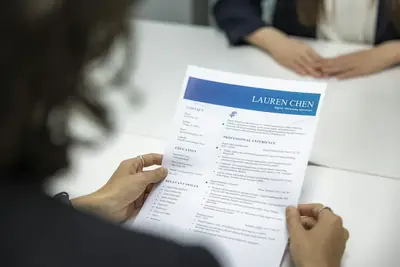
How to Write a Resume for U.S. Jobs (2026 Guide + Examples)
Structure, results-focused bullets, and ATS-friendly formatting that match how U.S. hiring managers review applications.
Read guide →
STAR Method: Behavioral Interview Questions + Examples
A reliable way to answer “tell me about a time” questions with clarity and evidence.
Read guide →
How to Negotiate Salary in the U.S.: Scripts, Tactics and Tips
Research methods, framing, and handling counteroffers without damaging the process.
Read guide →
How to Evaluate a Job Offer: Total Compensation Guide
Benefits, bonuses, equity, flexibility, and growth: how to compare the full package, not just base pay.
Read guide →
Best Job Search Sites in the U.S. and How to Use Them
A practical breakdown of where different types of roles are actually posted and found.
Read guide →
How to Use LinkedIn to Find a Job: Profile Tips (2026)
Profile changes that improve recruiter visibility and inbound opportunities.
Read guide →
How to Network for a Job in the U.S.: Approaches That Work
Practical ways to build professional relationships that lead to referrals and opportunities.
Read guide →
How to Change Careers in the U.S.: A Step-by-Step Plan
Steps for translating experience from one industry or function into a new direction.
Read guide →
First 90 Days in a New Job: A Week-by-Week U.S. Plan
How to build credibility, relationships, and early wins after you start a new role.
Read guide →
U.S. Job Market Trends 2026: What the Latest BLS Data Shows
What current hiring patterns mean for your search strategy, and where to find reliable labor data.
Read guide →
How to Answer "What Are Your Salary Expectations?" With Examples
How to answer the salary expectations question with a researched range, plus sample answers for each stage.
Read guide →
Salary Negotiation Email Templates: 9 Samples to Copy
Copy-and-adapt salary negotiation email templates for counteroffers, benefits, start dates, and accepting.
Read guide →
How to Ask for a Raise: Scripts, Email Template and Timing
When and how to ask for a raise, how much to ask for, and scripts plus an email template you can adapt.
Read guide →
W-2 vs 1099: How to Compare Contract and Full-Time Pay
How to compare W-2 salary and 1099 contract pay, including taxes, benefits, and a simple conversion method.
Read guide →
H-1B Sponsorship Jobs: How to Find Employers (2026)
How international candidates can find employers that sponsor H-1B visas and approach the search realistically.
Read guide →
What to Do After a Layoff: A U.S. Checklist (2026)
A step-by-step checklist for the days and weeks after a U.S. layoff: severance, unemployment, health coverage, and your search.
Read guide →
Federal Resume Format: USAJOBS Two-Page Guide (2026)
How to write a two-page federal resume for USAJOBS: required details, formatting, and how it differs from a private-sector resume.
Read guide →
401(k) Match Explained: How It Works (2026 Limits)
How 401(k) employer matching works, common match formulas, vesting schedules, and the 2026 IRS limits.
Read guide →
Interview Thank-You Email: When to Send + 7 Templates
When to send an interview thank-you email, what to say, and seven templates for different interview types.
Read guide →
How to Explain an Employment Gap on a Resume (+ Examples)
How to explain an employment gap honestly on your resume, cover letter, and in interviews, with examples.
Read guide →